This Guide for Writing a Funding Proposal was created to help empower people to be successful in gaining funds for projects that provide worthwhile social service. A major theme that runs throughout the Guide is a concern for the development of meaningful cooperative relationships – with funding agencies, with community organizations, and with the people you are serving – as a basis for the development of strong fundable initiatives. The Guide is built on the assumption that it is through collaboration and participation at all levels that long term change can be effected.
To make this Guide as useful as possible, all suggestions have been carefully reviewed with a concern that they be easy to implement and can have the greatest positive effect on the creation of a funding proposal. (This is the same design concern that I used for the creation of the companion guide for graduate students -. Long orations are minimized and suggestions are presented in a direct and clear manner. Actual proposal examples are included so that you can easily see the different suggestions demonstrated.
As you are going through this Guide you will probably see things that aren’t clear, need fixing, or should be further clarified. Please send them along and I will do my best to improve the Guide based upon your ideas. I try to make major revisions in the Guide at least 2-3 times each year. Your suggestions on how to improve this Guide will be most appreciated
And finally, I receive many requests asking me to recommend a book or two that would be helpful in writing a good proposal. I’ve started to create such a listing of books I’ve identified and my review of each of them. Feel free to check out my selection of books to help with the preparation of a funding proposal. –>
Enjoy using this Guide and I hope it brings you good luck as you seek funding for your ideas!
Monday, March 15, 2010

Tuesday, March 2, 2010
Saturday, August 8, 2009
visiting phnom penh
Visiting Phnom Penh
At times beautiful and beguiling, at times chaotic and charmless, Phnom Penh is a crossroad of Asia’s past and present, a city of extremes of poverty and excess, but one that never fails to captivate the visitor.

Phnom Penh sits at the confluence of the Mekong, Tonle Bassac and Tonle Sap rivers. Long considered the loveliest of the French-built cities of Indochina, its charm, while tarnished, has largely managed to survive the violence of its recent history and the current crop of property speculators.
Most of Phnom Penh’s tourist attractions are low-key, which means that many travelers spend only a short time here. This is a pity; Phnom Penh is a city that is rediscovering itself and, after the obligatory sightseeing circuit is completed, a fascinating place to take in at leisure. The French left a legacy of now-crumbling colonial architecture, some of which is being tastefully renovated; the wats (Buddhist temple-monasteries) have come back to life with a passion - monks in saffron robes can be seen wandering around carrying alms bowls; and there are great restaurants all over the city, an Ideal warm-up for the lively nightshift.
The riverfront area in Phnom Penh is undoubtedly one of the most splendid in Asia, lined with swaying palms and billowing flags, the mightiest river in Asia, the Mekong, converging and diverging as a backdrop. After many years of neglect, Phnom Penh at last seems to be on the move and, if it can learn from the mistakes of its large neighbors, it could once again become the ‘Pearl of Asia’.
Phnom Penh city
HIGHLIGHTS
Tread lightly upon the 5000 silver floor tiles at the Silver Pagoda in the Royal Palace Step back In time at the National Museum, home to the world’s finest collection of Angkorian sculpture Check out the Art Deco masterpiece that is Psar Thmei, Phnom Penh’s central market Discover a darker side at Tuol Sleng Museum, a brutal reminder of the pain of Cambodia’s past Soak up the city by night, with a happy hour cocktail, a fine meal and a crawl through the city’s bars
At times beautiful and beguiling, at times chaotic and charmless, Phnom Penh is a crossroad of Asia’s past and present, a city of extremes of poverty and excess, but one that never fails to captivate the visitor.
Phnom Penh sits at the confluence of the Mekong, Tonle Bassac and Tonle Sap rivers. Long considered the loveliest of the French-built cities of Indochina, its charm, while tarnished, has largely managed to survive the violence of its recent history and the current crop of property speculators.
Most of Phnom Penh’s tourist attractions are low-key, which means that many travelers spend only a short time here. This is a pity; Phnom Penh is a city that is rediscovering itself and, after the obligatory sightseeing circuit is completed, a fascinating place to take in at leisure. The French left a legacy of now-crumbling colonial architecture, some of which is being tastefully renovated; the wats (Buddhist temple-monasteries) have come back to life with a passion - monks in saffron robes can be seen wandering around carrying alms bowls; and there are great restaurants all over the city, an Ideal warm-up for the lively nightshift.
The riverfront area in Phnom Penh is undoubtedly one of the most splendid in Asia, lined with swaying palms and billowing flags, the mightiest river in Asia, the Mekong, converging and diverging as a backdrop. After many years of neglect, Phnom Penh at last seems to be on the move and, if it can learn from the mistakes of its large neighbors, it could once again become the ‘Pearl of Asia’.
Phnom Penh city
HIGHLIGHTS
Tread lightly upon the 5000 silver floor tiles at the Silver Pagoda in the Royal Palace Step back In time at the National Museum, home to the world’s finest collection of Angkorian sculpture Check out the Art Deco masterpiece that is Psar Thmei, Phnom Penh’s central market Discover a darker side at Tuol Sleng Museum, a brutal reminder of the pain of Cambodia’s past Soak up the city by night, with a happy hour cocktail, a fine meal and a crawl through the city’s bars
Wednesday, July 22, 2009
Preak Vihea temple world heritage
Brief Description Situated on the edge of a plateau that dominates the plain of Cambodia, the Temple of Preah Vihear is dedicated to Shiva. The Temple is composed of a series of sanctuaries linked by a system of pavements and staircases over an 800 metre long axis and dates back to the first half of the 11th century AD. Nevertheless, its complex history can be traced to the 9th century, when the hermitage was founded. This site is particularly well preserved, mainly due to its remote location. The site is exceptional for the quality of its architecture, which is adapted to the natural environment and the religious function of the temple, as well as for the exceptional quality of its carved stone ornamentation.
Outstanding Universal ValueThe Temple of Preah Vihear, a unique architectural complex of a series of sanctuaries linked by a system of pavements and staircases on an 800 metre long axis, is an outstanding masterpiece of Khmer architecture, in terms of plan, decoration and relationship to the spectacular landscape environment.
Criterion (i): Preah Vihear is an outstanding masterpiece of Khmer architecture. It is very ‘pure’ both in plan and in the detail of its decoration.
This temple is situated at the Thai border on top of the 625 metres high Preah Vihear mountain in Svay Chhrum village, Kantuot commune, Choam Ksan district, 108 kilometres north of Tbaeng Meanchey, the capital of Preah Vihear province.The temple is 800 metres long and 400 metres wide. The Cambodian side of the mountain is very steep while the Thai side is gently rolling. The sanctuary is perched on the edge of the cliffs with amazing views over the seemingly endless Cambodian jungle to the south. The temple is not yet restored but has some very spectacular carvings and lintels. The orientation of the long stairways leading up to the central sanctuary is north-south and deviates less than 1 degree. There are no halls with doors or windows in the central sanctuary opening towards the east. Only in Gopura II the rising sun is visible.
There are no western views from any floors of the temple because the hill towards west is obscuring the view. Originally the temple was known as Sreysikharesvara ("The power of the mountain"). Construction started in the late 9th century, 100 years before the start of Angkor and was used to worship Shiva Brahmanism. Preah Vihear was the ultimate sacred temple for the Khmers and provided a place for worship and respect for kings and scholars during more than 300 years. Preah Vihear was more than a temple it was a special sanctuary for study and reflection on the close connection between the heavens and the earth as well as the divinity of Shiva.The Cambodian flag now flies proudly over the temple which has been fought for and argued over for a lifetime. In 1962, the International Court ordered that the temple belonged to Cambodia, but in subsequent years ownership has changed hands many times, particularly during the civil war when the Khmer Rouge and the Cambodian army took turns in wrestling control from each other. Today, Cambodia benefits from the many visitors, though by far the vast majority come from Thailand. Visitors do not need a visa to enter Cambodia but receive special permission to cross the border to visit the temple before returning.
The Khmer ruins of the Preah Vihear Temple are located on top of a cliff on the Thai-Cambodian border approximately 220 kilometres to the south-east of Surin. Construction of the temple is believed to have taken place over a 300-year-period beginning in the ninth-century. The temple was dedicated to the Hindu god Shiva and was an important site which served as a place of pilgrimage for Hindus and a retreat for Hindu priests.
Access to the TempleThe central sanctuary of Preah Vihear sits on Cambodian soil, but the most convenient form of access is from the Thai side of the border via a road and the start of a staircase which is located within the Thai national park of Khao Phra Viharn. Because of the terrain, access from the Cambodian side of the border is very difficult and most tourists enter the temple from the Thai side of the border. This means that visitors from the Thai side have to pay a fee to Thai authorities to access the national park and another fee to the Cambodian authorities to access the ruins themselves. Land DisputeThe temple has been at the centre of a land dispute that has been going on since 1904 when the border was drawn up between what was then Siam and French Indochina. The issue has never gone away and has flared up again at numerous points throughout the last one hundred years. In 1962, the International Court of Justice ruled that the temple belongs to Cambodia but the surrounding land remains in dispute. In 1975, the Khmer Rouge took control of the temple and as a consequence land mines were laid in the area. The immediate grounds around the temple have now been de-mined but there are marked sections of land in the vicinity which remain off-limits to visitors. Because of the ongoing dispute between Thailand and Cambodia, the temple has been closed at various stages as tension between the two neighbours has risen. This tension flared again in July 2008 when Preah Vihear Temple was awarded UNESCO World Heritage status and with it the prospect of a significant boost in tourist money to the area. It also re-ignited nationalist sentiment on both sides of the border and has raised the prospect of a military dispute between Cambodia and Thailand.
Outstanding Universal ValueThe Temple of Preah Vihear, a unique architectural complex of a series of sanctuaries linked by a system of pavements and staircases on an 800 metre long axis, is an outstanding masterpiece of Khmer architecture, in terms of plan, decoration and relationship to the spectacular landscape environment.
Criterion (i): Preah Vihear is an outstanding masterpiece of Khmer architecture. It is very ‘pure’ both in plan and in the detail of its decoration.
This temple is situated at the Thai border on top of the 625 metres high Preah Vihear mountain in Svay Chhrum village, Kantuot commune, Choam Ksan district, 108 kilometres north of Tbaeng Meanchey, the capital of Preah Vihear province.The temple is 800 metres long and 400 metres wide. The Cambodian side of the mountain is very steep while the Thai side is gently rolling. The sanctuary is perched on the edge of the cliffs with amazing views over the seemingly endless Cambodian jungle to the south. The temple is not yet restored but has some very spectacular carvings and lintels. The orientation of the long stairways leading up to the central sanctuary is north-south and deviates less than 1 degree. There are no halls with doors or windows in the central sanctuary opening towards the east. Only in Gopura II the rising sun is visible.
There are no western views from any floors of the temple because the hill towards west is obscuring the view. Originally the temple was known as Sreysikharesvara ("The power of the mountain"). Construction started in the late 9th century, 100 years before the start of Angkor and was used to worship Shiva Brahmanism. Preah Vihear was the ultimate sacred temple for the Khmers and provided a place for worship and respect for kings and scholars during more than 300 years. Preah Vihear was more than a temple it was a special sanctuary for study and reflection on the close connection between the heavens and the earth as well as the divinity of Shiva.The Cambodian flag now flies proudly over the temple which has been fought for and argued over for a lifetime. In 1962, the International Court ordered that the temple belonged to Cambodia, but in subsequent years ownership has changed hands many times, particularly during the civil war when the Khmer Rouge and the Cambodian army took turns in wrestling control from each other. Today, Cambodia benefits from the many visitors, though by far the vast majority come from Thailand. Visitors do not need a visa to enter Cambodia but receive special permission to cross the border to visit the temple before returning.
The Khmer ruins of the Preah Vihear Temple are located on top of a cliff on the Thai-Cambodian border approximately 220 kilometres to the south-east of Surin. Construction of the temple is believed to have taken place over a 300-year-period beginning in the ninth-century. The temple was dedicated to the Hindu god Shiva and was an important site which served as a place of pilgrimage for Hindus and a retreat for Hindu priests.
Access to the TempleThe central sanctuary of Preah Vihear sits on Cambodian soil, but the most convenient form of access is from the Thai side of the border via a road and the start of a staircase which is located within the Thai national park of Khao Phra Viharn. Because of the terrain, access from the Cambodian side of the border is very difficult and most tourists enter the temple from the Thai side of the border. This means that visitors from the Thai side have to pay a fee to Thai authorities to access the national park and another fee to the Cambodian authorities to access the ruins themselves. Land DisputeThe temple has been at the centre of a land dispute that has been going on since 1904 when the border was drawn up between what was then Siam and French Indochina. The issue has never gone away and has flared up again at numerous points throughout the last one hundred years. In 1962, the International Court of Justice ruled that the temple belongs to Cambodia but the surrounding land remains in dispute. In 1975, the Khmer Rouge took control of the temple and as a consequence land mines were laid in the area. The immediate grounds around the temple have now been de-mined but there are marked sections of land in the vicinity which remain off-limits to visitors. Because of the ongoing dispute between Thailand and Cambodia, the temple has been closed at various stages as tension between the two neighbours has risen. This tension flared again in July 2008 when Preah Vihear Temple was awarded UNESCO World Heritage status and with it the prospect of a significant boost in tourist money to the area. It also re-ignited nationalist sentiment on both sides of the border and has raised the prospect of a military dispute between Cambodia and Thailand.
How to make life successful
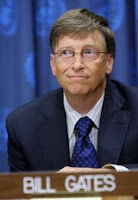 Bill Gates came from a family of entrepreneurship and high-spirited liveliness. William Henry Gates III was born in Seattle, Washington on October 28th, 1955. His father, William H. Gates II, is a Seattle attorney. His late mother, Mary Gates, was a schoolteacher, University of Washington regent, and chairwoman of United Way International.
Bill Gates - Early Life!!!
He had an early interest in software and began programming computers at the age of thirteen. In 1973, Bill Gates became a student at Harvard University, where he meet Steve Ballmer (now Microsoft's chief executive officer). While still a Harvard undergraduate, Bill Gates wrote a version of the programming language BASIC for the MITS Altair microcomputer.Did you know that as young teenagers Bill Gates and Paul Allen ran a small company called Traf-O-Data and sold a computer to the city of Seattle that could count city traffic?
Bill Gates & Microsoft!!!
In 1975, before graduation Gates left Harvard to form Microsoft with his childhood friend Paul Allen. The pair planned to develop software for the newly emerging personal computer market.Bill Gate's company Microsoft became famous for their computer operating systems and killer business deals. For example, Bill Gates talked IBM into letting Microsoft retain the licensing rights to MS-DOS an operating system, that IBM needed for their new personal computer. Gates proceeded to make a fortune from the licensing of MS-DOS.
On November 10, 1983, at the Plaza Hotel in New York City, Microsoft Corporation formally announced Microsoft Windows, a next-generation operating system.
On January 1, 1994, Bill Gates married Melinda French Gates. They have three children.
Bill Gates PhilanthropistBill Gates and his wife, Melinda, have endowed the Bill & Melinda Gates Foundation with more than $28.8 billion (as of January 2005) to support philanthropic initiatives in the areas of global health and learning.
On November 10, 1983, at the Plaza Hotel in New York City, Microsoft Corporation formally announced Microsoft Windows, a next-generation operating system.
On January 1, 1994, Bill Gates married Melinda French Gates. They have three children.
Bill Gates PhilanthropistBill Gates and his wife, Melinda, have endowed the Bill & Melinda Gates Foundation with more than $28.8 billion (as of January 2005) to support philanthropic initiatives in the areas of global health and learning.
Successful football manager
Successful football manager
Sir Alexander Chapman Ferguson, CBE, more commonly known as Alex Ferguson, Sir Alex, or Fergie (born 31 December 1941 in Govan, Glasgow) is a Scottish football manager and former player, currently managing Manchester United , where he has been in charge since 1986. He has won more trophies than any other manager in the history of the English game.With 22 years as manager of Manchester United, he is the second-longest serving manager in their history after Sir Matt Busby, while his tenure is the longest of all the current League managers. During this time, Ferguson has won many awards and holds many records including winning Manager of the Year most times in British football history. Manchester United have won more honours during Ferguson's tenure than they did in all the years combined prior to his appointment.He was an inaugural inductee into the English Football Hall of Fame for his great services to the English game, was knighted in 1999 by Queen Elizabeth II and currently holds the Freedom of the City of Aberdeen for his services to the city, having managed the city's football club to a host of major trophies in the early to mid 1980s.
Sir Alex Ferguson is the most successful manager in British football history – winning more than 30 trophies during his time in charge of the Reds. Yet despite more than two decades at the United helm he remains focused on increasing that tally, bringing yet more silverware to Old Trafford.The Reds boss enjoyed a playing career north of the border that saw him take in spells with Queen's Park, St Johnstone, Dunfermline, Glasgow Rangers, Falkirk and Ayr United. But it is not for his playing of the game that Sir Alex was to become a success. Following a spell out of the game he moved into coaching, taking up the role of manager of East Stirlingshire, St Mirren then Aberdeen. It was his time at Pittodrie where he earned his reputation as a top coach. He broke the Glasgow dominance of Scottish football to lead Aberdeen to three Scottish titles, four Scottish cups, one League Cup and one European Cup Winners’ Cup.Following the sacking of Ron Atkinson as manager of Manchester United, the Old Trafford hierarchy moved quickly for his services. They got their man on 6 November 1986.Ferguson inherited a dispirited team of underachievers supporters’ discontent, failed to break Liverpool’s domination. Stuck in the bottom four of the Division One table, Ferguson immediately set about attempting to stave off the very real threat of relegation. Without resorting to the transfer market, he guided United up the table to and eleventh place finish. By now it was clear to Ferguson that he faced a major job in turning the club around. United were an entertaining side but one that seemed unable to cope with the more physical aspects of League football. In his second season the Reds fared better finishing second behind Liverpool, but the position painted a falsepicture. The turning point came in the 1989/90 season. Following a run of games in which the Reds were drawn away in every round, United picked up their first silverware of the Ferguson era. Lee Martin scoring the only goal in a final replay against Crystal Palace to in the FA Cup.This first trophy opened the flood gates. The European Cup Winners’ Cup was won the following season in Rotterdam, Barcelona defeated 2-1 thanks to a brace from Mark Hughes. Then in 1991/02 the League Cup was added to United’s list of honours.Sadly the title remained elusive. It was the Holy Grail to United fans, the 26 championships free years being exacerbated by Liverpool’s dominance of the domestic and European game. In 1992/93 the long wait for the League championship came to an end. The Reds, inspired by £1m signing Eric Cantona, pipping Aston Villa in the final weeks of the season.The shackles were broken: the double followed in 1993/94, the double-Double (with ‘kids’) in 1995/96, and another title in 1997. Finally United were matching off-field might with on-field success. Liverpool’s dominance was well and truly over.Sir Alex’s greatestachievement came in 1998/99. No side before or since has achieved a treble haul of Premiership title, FA Cup and European Cup. On an unforgettable night in Barcelona his decision to throw on substitutes Teddy Sheringham and Ole Gunnar Solskjaer assured history was made. The pair scored injury-time goals to win the Champions League and complete the treble.Ferguson was knighted following that success and some suggested he should retire, believing his desire would wane following the realisation of a dream. Not a bit of it. Another title followed in 1999/2000 and he made it three-in-row in 2000/01. His eighth Premiership duly arrived in 2002/03; his fourth FA Cup a year later, against Millwall in Cardiff. The Reds had by now entered a period of rebuilding. The side of homegrown players he’d first put together in 1995/96 was now breaking up and he’d recruited new stars like Wayne Rooney and Cristiano Ronaldo to spark a new era of success.The rebuilding paid off with victory in the Carling Cup in 2005/06 and a ninth Premier League trophy in 2006/07. In May 2007 Sir Alex swooped for three players - Anderson, Nani and Owen Hargreaves - to bolster an already strong squad. This evolving team claimed more glory in 2007/08, defending the Premier League title and securing Sir Alex's second Champions League triumph.United followed European success by winning the FIFA Club World Cup in Japan in December 2008. The Reds then claimed the Carling Cup in March 2009 by beating Tottenham on penalties in the final. On 16 May 2009, United achieved what had seemed an impossible mission when Sir Alex arrived in 1986, equalling Liverpool's long-standing record of 18 league championships. Beating Liverpool to the 2008/09 crown - Sir Alex's 11th title in 17 seasons - made the feat even sweeter.
Sir Alexander Chapman Ferguson, CBE, more commonly known as Alex Ferguson, Sir Alex, or Fergie (born 31 December 1941 in Govan, Glasgow) is a Scottish football manager and former player, currently managing Manchester United , where he has been in charge since 1986. He has won more trophies than any other manager in the history of the English game.With 22 years as manager of Manchester United, he is the second-longest serving manager in their history after Sir Matt Busby, while his tenure is the longest of all the current League managers. During this time, Ferguson has won many awards and holds many records including winning Manager of the Year most times in British football history. Manchester United have won more honours during Ferguson's tenure than they did in all the years combined prior to his appointment.He was an inaugural inductee into the English Football Hall of Fame for his great services to the English game, was knighted in 1999 by Queen Elizabeth II and currently holds the Freedom of the City of Aberdeen for his services to the city, having managed the city's football club to a host of major trophies in the early to mid 1980s.
Sir Alex Ferguson is the most successful manager in British football history – winning more than 30 trophies during his time in charge of the Reds. Yet despite more than two decades at the United helm he remains focused on increasing that tally, bringing yet more silverware to Old Trafford.The Reds boss enjoyed a playing career north of the border that saw him take in spells with Queen's Park, St Johnstone, Dunfermline, Glasgow Rangers, Falkirk and Ayr United. But it is not for his playing of the game that Sir Alex was to become a success. Following a spell out of the game he moved into coaching, taking up the role of manager of East Stirlingshire, St Mirren then Aberdeen. It was his time at Pittodrie where he earned his reputation as a top coach. He broke the Glasgow dominance of Scottish football to lead Aberdeen to three Scottish titles, four Scottish cups, one League Cup and one European Cup Winners’ Cup.Following the sacking of Ron Atkinson as manager of Manchester United, the Old Trafford hierarchy moved quickly for his services. They got their man on 6 November 1986.Ferguson inherited a dispirited team of underachievers supporters’ discontent, failed to break Liverpool’s domination. Stuck in the bottom four of the Division One table, Ferguson immediately set about attempting to stave off the very real threat of relegation. Without resorting to the transfer market, he guided United up the table to and eleventh place finish. By now it was clear to Ferguson that he faced a major job in turning the club around. United were an entertaining side but one that seemed unable to cope with the more physical aspects of League football. In his second season the Reds fared better finishing second behind Liverpool, but the position painted a falsepicture. The turning point came in the 1989/90 season. Following a run of games in which the Reds were drawn away in every round, United picked up their first silverware of the Ferguson era. Lee Martin scoring the only goal in a final replay against Crystal Palace to in the FA Cup.This first trophy opened the flood gates. The European Cup Winners’ Cup was won the following season in Rotterdam, Barcelona defeated 2-1 thanks to a brace from Mark Hughes. Then in 1991/02 the League Cup was added to United’s list of honours.Sadly the title remained elusive. It was the Holy Grail to United fans, the 26 championships free years being exacerbated by Liverpool’s dominance of the domestic and European game. In 1992/93 the long wait for the League championship came to an end. The Reds, inspired by £1m signing Eric Cantona, pipping Aston Villa in the final weeks of the season.The shackles were broken: the double followed in 1993/94, the double-Double (with ‘kids’) in 1995/96, and another title in 1997. Finally United were matching off-field might with on-field success. Liverpool’s dominance was well and truly over.Sir Alex’s greatestachievement came in 1998/99. No side before or since has achieved a treble haul of Premiership title, FA Cup and European Cup. On an unforgettable night in Barcelona his decision to throw on substitutes Teddy Sheringham and Ole Gunnar Solskjaer assured history was made. The pair scored injury-time goals to win the Champions League and complete the treble.Ferguson was knighted following that success and some suggested he should retire, believing his desire would wane following the realisation of a dream. Not a bit of it. Another title followed in 1999/2000 and he made it three-in-row in 2000/01. His eighth Premiership duly arrived in 2002/03; his fourth FA Cup a year later, against Millwall in Cardiff. The Reds had by now entered a period of rebuilding. The side of homegrown players he’d first put together in 1995/96 was now breaking up and he’d recruited new stars like Wayne Rooney and Cristiano Ronaldo to spark a new era of success.The rebuilding paid off with victory in the Carling Cup in 2005/06 and a ninth Premier League trophy in 2006/07. In May 2007 Sir Alex swooped for three players - Anderson, Nani and Owen Hargreaves - to bolster an already strong squad. This evolving team claimed more glory in 2007/08, defending the Premier League title and securing Sir Alex's second Champions League triumph.United followed European success by winning the FIFA Club World Cup in Japan in December 2008. The Reds then claimed the Carling Cup in March 2009 by beating Tottenham on penalties in the final. On 16 May 2009, United achieved what had seemed an impossible mission when Sir Alex arrived in 1986, equalling Liverpool's long-standing record of 18 league championships. Beating Liverpool to the 2008/09 crown - Sir Alex's 11th title in 17 seasons - made the feat even sweeter.
Mukesh Ambani
Mukesh Ambani
The final billionaire on the top 5 list, Mukesh Ambani inherited his $53 billion dollar fortune from his father, Dhirubhai Ambani. His father’s business was split in two due to the quarrel between Mukesh and his brother, Anil, who is currently the 6th richest person in the world. Mukesh is the head of Reliance Industries and is in the manufacturing and petrochemicals business. He was briefly the richest man in the world in 2007, momentarily seizing the title from its usual place in the hands of a United States billionaire. He currently resides in Mumbai, but has pursued his chemical and business studies both in India and in the United States, at Stanford University. Mukesh Ambani and his wife and three children enjoy a lavish lifestyle, epitomized by his soon to be 27-story private residence in downtown Mumbai, said to cost over $2 billion.
To learn more about the world's billionaires, read the companion article, http://www.forbes.com/lists/2008/10/billionaires08_The-Worlds-Billionaires_Rank.html
The final billionaire on the top 5 list, Mukesh Ambani inherited his $53 billion dollar fortune from his father, Dhirubhai Ambani. His father’s business was split in two due to the quarrel between Mukesh and his brother, Anil, who is currently the 6th richest person in the world. Mukesh is the head of Reliance Industries and is in the manufacturing and petrochemicals business. He was briefly the richest man in the world in 2007, momentarily seizing the title from its usual place in the hands of a United States billionaire. He currently resides in Mumbai, but has pursued his chemical and business studies both in India and in the United States, at Stanford University. Mukesh Ambani and his wife and three children enjoy a lavish lifestyle, epitomized by his soon to be 27-story private residence in downtown Mumbai, said to cost over $2 billion.
To learn more about the world's billionaires, read the companion article, http://www.forbes.com/lists/2008/10/billionaires08_The-Worlds-Billionaires_Rank.html
Lakshimi Mittal
Lakshimi Mittal
Unlike the prior three men on the list of the world’s billionaires, Lakshimi Mittal inherited his steel fortune. He is 57 years old, married, and has two children. He is still of Indian citizenship but lives in London. He is worth $45 billion.
Unlike the prior three men on the list of the world’s billionaires, Lakshimi Mittal inherited his steel fortune. He is 57 years old, married, and has two children. He is still of Indian citizenship but lives in London. He is worth $45 billion.
Bill Gates
Bill Gates 
Bill Gates was the richest man in the world for many years but currently holds the #3 spot due to the recently poorer performance of Microsoft stock. Bill famously dropped out of Harvard undergrad to start Microsoft, the company that has long dominated the PC world. A recent failed merger attempt with Yahoo marked the beginning of Microsoft’s stock downturn. Microsoft alternatives and non-PC products, like Apple computers and software, are also becoming more mainstream. Currently, Gates is worth about $58 billion.
Bill and his wife, Melinda, are very involved in sponsoring charitable projects through the Bill and Melinda Gates Foundation. AIDS research and vaccination and public education in the United States are two of the foundation’s main focuses. Now 52 years old, Bill and wife Melinda have three children and live in a small city not far from Seattle, Washington.
Bill Gates was the richest man in the world for many years but currently holds the #3 spot due to the recently poorer performance of Microsoft stock. Bill famously dropped out of Harvard undergrad to start Microsoft, the company that has long dominated the PC world. A recent failed merger attempt with Yahoo marked the beginning of Microsoft’s stock downturn. Microsoft alternatives and non-PC products, like Apple computers and software, are also becoming more mainstream. Currently, Gates is worth about $58 billion.
Bill and his wife, Melinda, are very involved in sponsoring charitable projects through the Bill and Melinda Gates Foundation. AIDS research and vaccination and public education in the United States are two of the foundation’s main focuses. Now 52 years old, Bill and wife Melinda have three children and live in a small city not far from Seattle, Washington.
Carlos Slim Helu
Carlos Slim Helu
Ads by GoogleBill Gates BiographyA Detailed Life History 42 Pages of Biographical ContentBookRags.comEsxChannel Insider Predicts What's Ahead for the Server Market www.ChannelInsider.com
Worth $60 billion, Carlos Slim Helu isn't far behind Warren Buffet on Forbes’ billionaire list. The 68 year old made his billions in the Latin American telecommunications industry. Carlos is a widower with 6 children and lives in Mexico City.
Ads by GoogleBill Gates BiographyA Detailed Life History 42 Pages of Biographical ContentBookRags.comEsxChannel Insider Predicts What's Ahead for the Server Market www.ChannelInsider.com
Worth $60 billion, Carlos Slim Helu isn't far behind Warren Buffet on Forbes’ billionaire list. The 68 year old made his billions in the Latin American telecommunications industry. Carlos is a widower with 6 children and lives in Mexico City.
Warren Buffet
Warren Buffet
The world’s richest person is currently Warren Buffet, worth $62 billion at age 77. His made his fortunes at Berkshire Hathaway by investing in Geico, See’s Candies, and Coca-Cola, amongst other major companies. Warren studied at the University of Nebraska and Columbia University, where his studies helped him to become a better investor. He has long been known for his conservative lifestyle, and he still lives in the same Nebraska house where he lived before he earned his large fortune.
Despite the fact that he has a wife and 3 children, Buffet plans to give the majority of his billions to charity. Much of this money has already been promised to the Bill and Melinda Gates Foundation.
The world’s richest person is currently Warren Buffet, worth $62 billion at age 77. His made his fortunes at Berkshire Hathaway by investing in Geico, See’s Candies, and Coca-Cola, amongst other major companies. Warren studied at the University of Nebraska and Columbia University, where his studies helped him to become a better investor. He has long been known for his conservative lifestyle, and he still lives in the same Nebraska house where he lived before he earned his large fortune.
Despite the fact that he has a wife and 3 children, Buffet plans to give the majority of his billions to charity. Much of this money has already been promised to the Bill and Melinda Gates Foundation.
Elizabeth Nelson
World richest women
World's Richest Women5 Wealthiest Female Billionaires © Elizabeth Nelson
Jul 17, 2008 Liliane Bettencourt, Christy & Alice Walton, Abigail Johnson, and Jacqueline Mars inherited fortunes that put them high on Forbes' Billionaires List.
There's always a lot of buzz about the richest men in the world, but did you ever wonder about the wealthiest women? There are some females with serious economic clout out there.
Jul 17, 2008 Liliane Bettencourt, Christy & Alice Walton, Abigail Johnson, and Jacqueline Mars inherited fortunes that put them high on Forbes' Billionaires List.
There's always a lot of buzz about the richest men in the world, but did you ever wonder about the wealthiest women? There are some females with serious economic clout out there.
Here are the current top 5:
Liliane Bettencourt
Liliane Bettencourt was in her mid-40s when she inherited the fortune of L’Oreal, the makeup company that her father, Eugene Schuller, founded. Now 85 years old, this Frenchwoman still owns a controlling interest in the company. Most of her time, however, is devoted to humanitarian and medical work with the Bettencourt Schuller Foundation. At approximately $22.9 billion, Liliane is the richest woman in the world.
Christy Walton
When John Walton tragically died in a 2005 plane crash, his wife, Christy, inherited a large portion of the family fortune. John’s father, Sam Walton, started Wall-Mart in 1962. Christy is now 53 years old and is worth $19.2 billion dollars. She lives in Jackson, Wyoming.
Ads by GoogleHow to Know What Men Want7 fatal mistakes you make with men. Learn what goes on in a mans mind , practical solution for Virtual Reality design & review
Abigail Johnson
Next on our list is Abigail Johnson, the 46-year-old owner of a controlling interest in Fidelity Investments. Abigail inherited her $15 billion from her father, who went from an analyst to president in 15 years. Abigail went to undergrad at Hobart and William Smith College and earned her MBA at Harvard. After her education, she worked at Fidelity as a diversified fund manager, president of the mutual fund division, and currently the head of employer services. She lives in Boston.
Jacqueline Mars
The 5th lady on our list is Jacqueline Mars, the 68 year old inheritor of the Mars candy and pet food fortune. Mars, begun by her grandfather, Frank Mars, as a 1911 chocolate company, became famous after her father, Forrest, began making chocolate and nut candy bars. She inherited the $14 billion family fortune nearly a decade ago and currently lives in New Jersey.
The Billionaire List and the Gender GapThe gender gap is overwhelmingly evident on the list of the world’s billionaires. Only 9% of the billionaires (99 women on the list total) are female. It is also interesting that, despite the fact that they have been accomplished professionals, all of the women on this top 5 list have inherited their fortunes. This stands in stark contrast to the quintessential ‘self-made’ billionaires like Warren Buffet and Bill Gates who top the list of the world's richest men. In an age where a woman can be a CEO, a billionaire, or even a serious contender for the nomination to US presidency, gender inequality is still painfully clear on the lists of Forbes magazine.
Liliane Bettencourt
Liliane Bettencourt was in her mid-40s when she inherited the fortune of L’Oreal, the makeup company that her father, Eugene Schuller, founded. Now 85 years old, this Frenchwoman still owns a controlling interest in the company. Most of her time, however, is devoted to humanitarian and medical work with the Bettencourt Schuller Foundation. At approximately $22.9 billion, Liliane is the richest woman in the world.
Christy Walton
When John Walton tragically died in a 2005 plane crash, his wife, Christy, inherited a large portion of the family fortune. John’s father, Sam Walton, started Wall-Mart in 1962. Christy is now 53 years old and is worth $19.2 billion dollars. She lives in Jackson, Wyoming.
Ads by GoogleHow to Know What Men Want7 fatal mistakes you make with men. Learn what goes on in a mans mind , practical solution for Virtual Reality design & review
Alice Walton
The Wall-Mart fortune created more than one billionaire female. Alice Walton, Christy’s 58 year old sister-in-law, also makes the list at $19 billion. Alice is divorced and lives in Fort Worth, Texas.
The Wall-Mart fortune created more than one billionaire female. Alice Walton, Christy’s 58 year old sister-in-law, also makes the list at $19 billion. Alice is divorced and lives in Fort Worth, Texas.
Abigail Johnson
Next on our list is Abigail Johnson, the 46-year-old owner of a controlling interest in Fidelity Investments. Abigail inherited her $15 billion from her father, who went from an analyst to president in 15 years. Abigail went to undergrad at Hobart and William Smith College and earned her MBA at Harvard. After her education, she worked at Fidelity as a diversified fund manager, president of the mutual fund division, and currently the head of employer services. She lives in Boston.
Jacqueline Mars
The 5th lady on our list is Jacqueline Mars, the 68 year old inheritor of the Mars candy and pet food fortune. Mars, begun by her grandfather, Frank Mars, as a 1911 chocolate company, became famous after her father, Forrest, began making chocolate and nut candy bars. She inherited the $14 billion family fortune nearly a decade ago and currently lives in New Jersey.
The Billionaire List and the Gender GapThe gender gap is overwhelmingly evident on the list of the world’s billionaires. Only 9% of the billionaires (99 women on the list total) are female. It is also interesting that, despite the fact that they have been accomplished professionals, all of the women on this top 5 list have inherited their fortunes. This stands in stark contrast to the quintessential ‘self-made’ billionaires like Warren Buffet and Bill Gates who top the list of the world's richest men. In an age where a woman can be a CEO, a billionaire, or even a serious contender for the nomination to US presidency, gender inequality is still painfully clear on the lists of Forbes magazine.
Tuesday, July 7, 2009
Visiting Preah Vihea
Visiting Preah Vihea

Preah Vihear is quite a big northern province of Cambodia. Its capital is called Phnom Tbeng Meanchey. The province itself is named after the temple of Prasat Preah Vihear, what is definitely the hotspot of this province. Much of the province is extremely remote and strongly forested. Unfortunately do large logging companies reduce the natural landscape by carving huge tracts of pristine tropical hardwoods out of the locations. It is also one of the least populated provinces in the Kingdom of Cambodia. This tranquil site is popular for the Preah Vihear temple, standing in the vicinity of the borderline between Thailand and Cambodia. The province has one of the worst infrastructures in the country – there are even no proper Major Roads in existence. Going around this province is not that easy if you’re used to proper roads and usual transportation possibilities, as there are only a few pick-ups or some money-hunting moto drivers to take you where you would like to go.Whatsoever the province has a lot to offer for those, who are interested in ancient temple structures and remote villages without touristy influence. Here in Preah Vihear you may find three of the most impressive legacies from the Angkorian era: the mountain temple of Prasat Preah Vihear, the 10th-century capital of Koh Ker and the mighty Preak Khan. Koh Ker is nowadays easily accessible from Siem Reap via Beng Mealea, but the other two still remain difficult to visit, requiring long and tough overland journeys and a distinct possibility to spend a night in the jungle. During the wet season these places are more or less unreachable. But there are governmental plans to develop the region for a smooth but constant tourism, building roads and improving infrastructure.The provincial capital Tbeng Meanchey is due to the state of the infrastructure and it’s geographical location not visited by a lot of foreigners. Most of them don’t make it here worrying about the street conditions and the backcountry feeling of no fast supply in need. The city is sprawling and dusty and consists of little more than two small major dirt roads form South to North. There is nothing interesting in town or to do, so it has necessarily become more a stopover on the way to Koh Ker and Preah Khan.
SIHANOUKVILLE - BEACH RESORT
SIHANOUKVILLE - BEACH RESORT
'Beach town', 'port community', 'fledgling resort destination' - all describe Sihanoukville, Cambodia's premier beach town. Sihanoukville's white sand beaches and warm Gulf of Thailand waters combine with a laid back, beachy atmosphere to provide a great little tropical getaway. Sihanoukville is a place to unwind by the beach, enjoy the fresh from-the-ocean seafood, take in a snorkeling or scuba trip, and generally slow-down, lay back and chill-out. Sihanoukville has a different look and feel than most Cambodian towns. Constructed as a port city in the late 1950s, the town is much newer, more urban and cosmopolitan than most Cambodian provincial cities. Nowadays, Sihanoukville is as much a beach town as it is a port town, catering to beach-going weekenders from Phnom Penh as well as a steadily increasing number of foreign visitors. Still, the pace of life in Sihanoukville is very relaxed.  Cows occasionally wander the main road, outside town foreign faces draw smiles and curious stares, and most of the beaches offer only beach umbrellas, thatched roofed eateries, and a growing number of restaurants, bungalows and hotels. Sihanoukville has a more than ample supply of accommodations, including a 5-star resort complex on Sokha Beach, several mid-range places downtown and at the beaches, a few 'upscale' three-star hotels, and dozens of budget guesthouses, especially on Weather Station Hill (Victory Hill). Considering the moderate number of visitors to Sihanoukville, the town offers a surprising number and variety of restaurants and bars. Fresh seafood, especially crab, prawns and ocean fish, has always been one of the town's biggest draws, but there is also a wide variety of places offering foreign cuisines - Australian, French, Indian, German, Sri Lankan, British, Italian, pizza places, a couple of western bakeries and even a espresso coffee shop. And these days Sihanoukville offers a pretty good night life as well with a wide variety of bars staying open well into the wee hours, especially on Weather Station Hill, in the downtown area, and the beach bars on Ochheuteal, ‘Serendipity’ and Victory Beaches. ORIENTATIONSihanoukville is not a small place, and the best way to get around is to hire a motorbike. Sihanoukville itself is east of the main backpackers' beach and close to the more mid-range Ochatial Beach. Due south of town is tiny Ko Pos Beach, which ha a solitary mid-range hotel, and the larger Independence Beach, which has the crumbling Independence Hotel - slated for redevelopment. INFORMATIONCambodian's only deep-sea port is located here and considerable international aid has been spent to improve the infrastructure in the province. Although tourism has increased over the past few years, the beaches of Sihanoukville are some of the most unspoiled in all of Southeast Asia. It is a prefect tropical getaway, filled with lovely beaches and facilities for swimming, snorkeling, scuba diving or just sunbathing. Boat trips are also available to many of the nearby islands. There are several hotels and local restaurants serving fresh, delicious seafood on the beach. On the weekend, there are many local visitors from Phnom Penh to relax, swimming and enjoy fresh seafood.
 Cows occasionally wander the main road, outside town foreign faces draw smiles and curious stares, and most of the beaches offer only beach umbrellas, thatched roofed eateries, and a growing number of restaurants, bungalows and hotels. Sihanoukville has a more than ample supply of accommodations, including a 5-star resort complex on Sokha Beach, several mid-range places downtown and at the beaches, a few 'upscale' three-star hotels, and dozens of budget guesthouses, especially on Weather Station Hill (Victory Hill). Considering the moderate number of visitors to Sihanoukville, the town offers a surprising number and variety of restaurants and bars. Fresh seafood, especially crab, prawns and ocean fish, has always been one of the town's biggest draws, but there is also a wide variety of places offering foreign cuisines - Australian, French, Indian, German, Sri Lankan, British, Italian, pizza places, a couple of western bakeries and even a espresso coffee shop. And these days Sihanoukville offers a pretty good night life as well with a wide variety of bars staying open well into the wee hours, especially on Weather Station Hill, in the downtown area, and the beach bars on Ochheuteal, ‘Serendipity’ and Victory Beaches. ORIENTATIONSihanoukville is not a small place, and the best way to get around is to hire a motorbike. Sihanoukville itself is east of the main backpackers' beach and close to the more mid-range Ochatial Beach. Due south of town is tiny Ko Pos Beach, which ha a solitary mid-range hotel, and the larger Independence Beach, which has the crumbling Independence Hotel - slated for redevelopment. INFORMATIONCambodian's only deep-sea port is located here and considerable international aid has been spent to improve the infrastructure in the province. Although tourism has increased over the past few years, the beaches of Sihanoukville are some of the most unspoiled in all of Southeast Asia. It is a prefect tropical getaway, filled with lovely beaches and facilities for swimming, snorkeling, scuba diving or just sunbathing. Boat trips are also available to many of the nearby islands. There are several hotels and local restaurants serving fresh, delicious seafood on the beach. On the weekend, there are many local visitors from Phnom Penh to relax, swimming and enjoy fresh seafood.
 Tuesday, June 30, 2009
Bakong Temple
Bakong Temple
Contructed: Late 9th century C.E.
Religion: Hindu
King/Patron: Indravarman I
Style: Preah Ko

Roluos Group: The most impressive member of the Roluos Group, sitting at the center of the first Angkorian capital, Hariharalaya. Bakong stands 15 meters tall and is 650x850m at the outer wall. Constructed by the third Angkorian-era king as his state-temple, Bakong represents the first application of the temple-mountain architectural formula on a grand scale and set the architectural tone for the next 400 years. The temple displays a very early use of stone rather than brick. Though begun by Indravarman I, Bakong received additions and was expanded by later kings. The uppermost section and tower may have been added as late as the 12th century AD. Some of the lintel carvings, particularly on the outer towers, are in very good shape. Picturesque moat and vegetation surround Bakong.
Angkor Wat Temple
Angkor Wat Temple Date of Construction: Early - Mid 12th century C.E.
Religious Affiliation: Hinduism
Patron or King: Suryavarman II
Artistic/Archeo. Style: Angkor Wat
Location: 6 kms north of Siem Reap; nearest major temple to Siem Reap
Location of Entrance: Western causeway
Duration of Visit: 2 hours - half day
Time to Visit: Sunrise; Afternoon for best light on face; Fewer visitors in the morning.
Photography Notes: Sunrise; Afternoon for best light on face
Position: 13d24'44N 103d52'00E
Religious Affiliation: Hinduism
Patron or King: Suryavarman II
Artistic/Archeo. Style: Angkor Wat
Location: 6 kms north of Siem Reap; nearest major temple to Siem Reap
Location of Entrance: Western causeway
Duration of Visit: 2 hours - half day
Time to Visit: Sunrise; Afternoon for best light on face; Fewer visitors in the morning.
Photography Notes: Sunrise; Afternoon for best light on face
Position: 13d24'44N 103d52'00E

Angkor Wat is visually, architecturally and artistically breathtaking. It is a massive three tiered crowned by five lotus-like towers rising 65 meters from ground level. Angkor Wat is the centerpiece of any visit to the temples of angkor.
At the apex of Khmer political and military dominance in the region, Suryavarman II constructed Angkor Wat in the form of a massive 'temple-mountain' dedicated to the Hindu god, Vishnu. It served as his state temple, though the temple's uncommon westward orientation has led some to suggest that it was constructed as Suryavarman II's funerary temple. Other temples of the same style and period include Thommanon, Banteay Samre, Wat Atwea and Beng Mealea, which may have served as a prototype to Angkor Wat.
Angkor Wat is surrounded by a moat and an exterior wall measuring 1300 meters x 1500 meters. The temple itself is 1km square and consists of three levels surmounted by a central tower. The walls of the temple are covered inside and out with bas-reliefs and carvings. Nearly 2000 distinctively rendered apsara carvings adorn the walls throughout the temple and represent some of the finest examples of apsara carvings in Angkorian era art. But it is the exterior walls of the lower level that display the most extraordinary bas-reliefs, depicting stories and characters from Hindu mythology and the historical wars of Suryavarman II. It is in the viewing of the bas-reliefs that a tour guide can be very helpful.
The northern reflecting pool in front is the most popular sunrise location. For sunrise, arrive very early, well before sunrise begins. The sun will rise behind Angkor Wat providing a silhouette of Angkor's distinctively shaped towers against a colored sunrise sky. Some of the best colors appear just before the sun breaks over the horizon.
The visual impact of Angkor Wat, particularly on one's first visit, is awesome. As you pass through the outer gate and get your first glimpse, its size and architecture make it appear two dimensional, like a giant postcard photo against the sky. After you cross through the gate and approach the temple along the walkway it slowly gains depth and complexity. To maximize this effect you should make your first visit in optimal lighting conditions, i.e. after 2:00pm. Do not make your first visit to Angkor Wat in the morning when the backlighting obscures the view.
The first level of is the most artistically interesting. Most visitors begin their exploration with the bas-reliefs that cover the exterior wall of the first level, following the bas-reliefs counterclockwise around the temple. Bas-relief highlights include the mythological battle of Kuru on the west wall; the historical march of the army of Suryavarman II, builder of Angkor Wat, against the Cham, followed by scenes from Heaven and Hell on the south wall; and the classic 'Churning of the Ocean Milk' on the east wall.
The temple interior is not as densely carved as the first level exterior, but still sports hundreds of fine carvings of apsaras and scenes from Hindu mythology. A guide can be quite helpful in explaining the stories of the various Chambers, statues and architectural forms to be found in the interior. At the upper-most of your tour of the temple, the central tower on the third level houses four Buddha images, each facing a different cardinal point, highlighting the fact that though Angkor Wat was constructed as a Hindu temple, it has served as a Buddhist temple since Buddhism became Cambodia's dominant religion in the 14th century. Some say that it is good luck to pay homage to all four Buddha images before departing Angkor.
Angkor Thom Temp
Angkor Thom Temple Date of Construction: Late 12th - Early 13th century C.E.
Religious Affiliation: Buddhist
Patron or King: Jayavarman VII
Artistic/Archeo. Style: Bayon
Location: Angkor Thom
Duration of Visit: See individual temple listings
Photography Notes:
Position (Center, Bayon): 13d26'28N 103d51'31E
Religious Affiliation: Buddhist
Patron or King: Jayavarman VII
Artistic/Archeo. Style: Bayon
Location: Angkor Thom
Duration of Visit: See individual temple listings
Photography Notes:
Position (Center, Bayon): 13d26'28N 103d51'31E

Angkor Thom (Big Angkor) is a 3km2 walled and moated royal city and was the last capital of the Angkorian Empire. After Jayavarman VII recaptured the Angkorian capital from the Cham invaders in 1181, he began a massive building campaign across the empire, constructing Angkor Thom as his new capital city. He began with existing structures such as Baphuon and Phimeanakas and built a grand enclosed city around them, adding the outer wall/moat and some of Angkor’s greatest temples including his state-temple, Bayon, set at the center of the city. There are five entrances (gates) to the city, one of each cardinal point, and the victory gate leading to the Royal Palace area. Each gate is crowned with 4 giant faces. The South Gate is often the first stop on a tour.
Subscribe to:
Posts (Atom)